Three-Dimensional Carving Maps

Each linocut block contains a unique topography created by the carving process. The depth and angle of each cut determines how light interacts with the surface, creating shadows that reveal the physical structure of the design.

This gallery presents our prints as three-dimensional relief maps, allowing you to visualize the carved landscape before ink ever touches the surface.

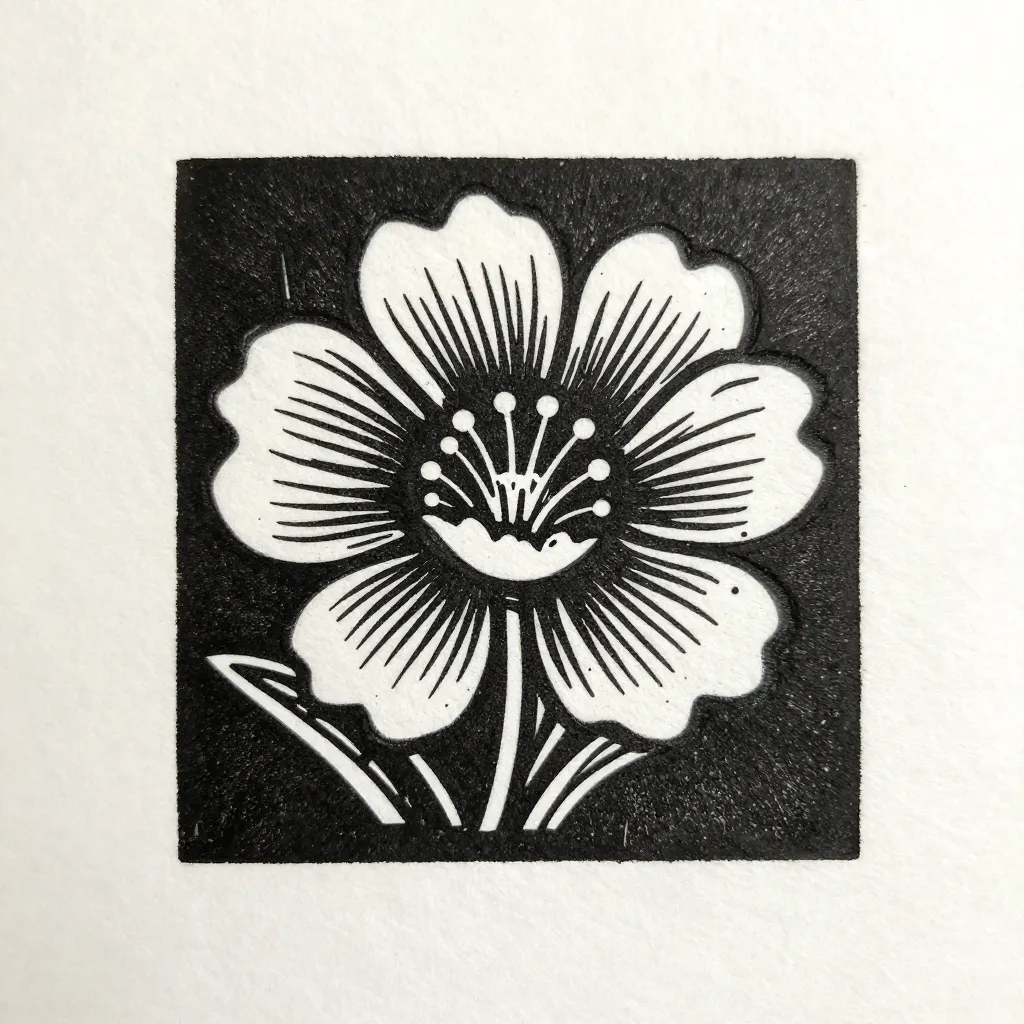
Featured Prints

Geometric pattern linocut print

Geometric Series

Precise angular cuts create sharp contrasts. The relief depth varies from shallow surface marks to deep channels, each serving a specific function in the final composition.

Organic form block print

Organic Forms

Curved gouge marks follow natural flow patterns. The varying depths create subtle gradients when viewed from different angles, emphasizing the three-dimensional nature of the carving.

Textured surface detail

Textured Surfaces

Multiple carving techniques combine to create complex surface textures. The interaction between different tool marks produces unique visual patterns that translate directly to the printed image.

Understanding Relief Depth

Shallow Relief

Surface-level carving creates fine details and subtle textures. These areas require precise tool control and careful pressure management during the printing process.

Shallow relief sections often produce lighter tones in the final print, allowing for nuanced gradations within the design.

Deep Relief

Deeply carved channels create strong negative spaces that hold more ink and produce bolder impressions. These areas define the primary structure of the composition.

The depth of these channels directly affects ink distribution and final print density, making precise depth control essential for consistent results.

From Carving to Print

The physical topography of each block determines how ink flows and how pressure transfers to paper. Understanding this relationship is fundamental to achieving consistent, high-quality prints.